How Communication Affects Appraisals for Freshers
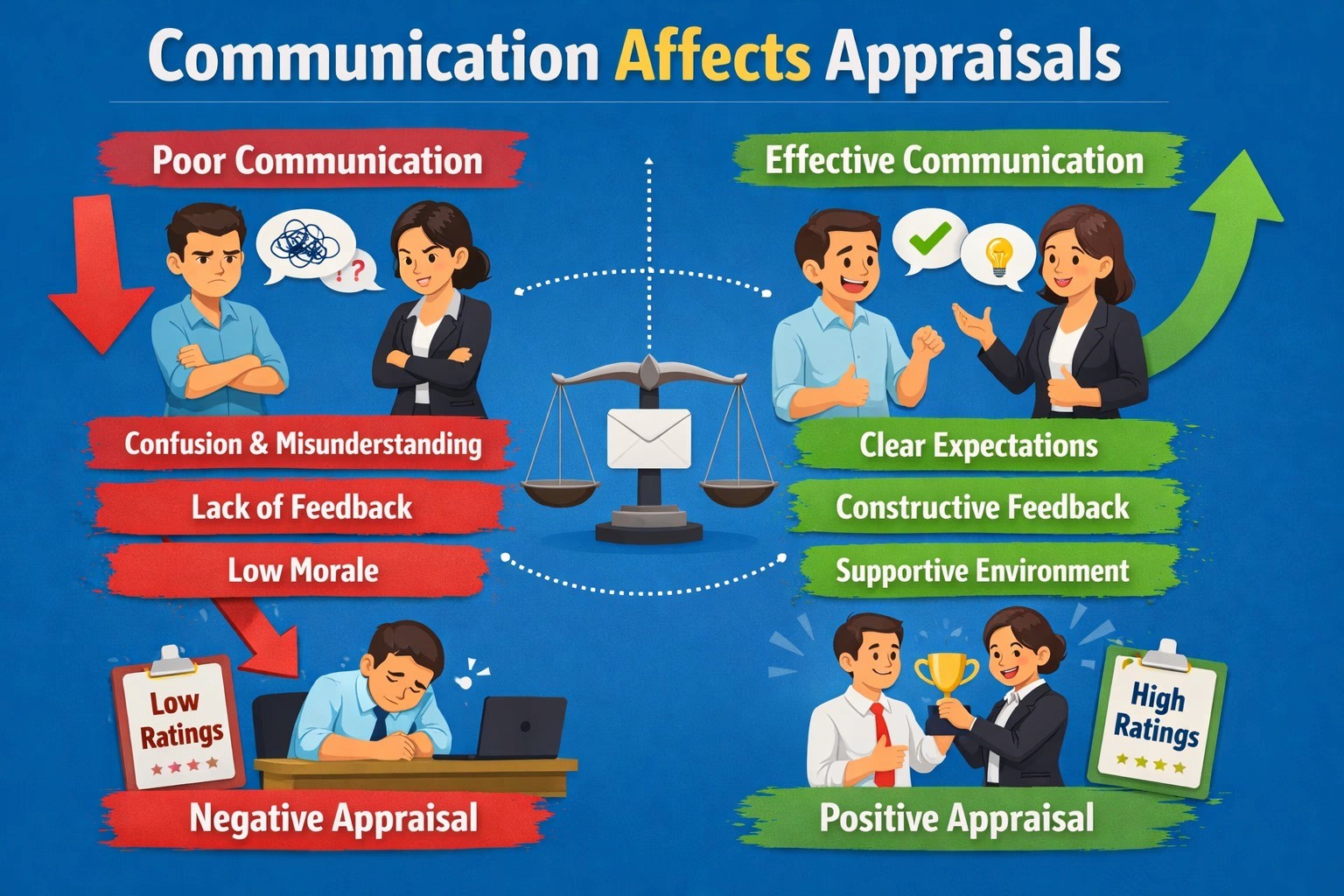
Many IT freshers believe that appraisals depend only on technical skills—how much code they write, how many tickets they close, or how fast they complete tasks. In reality, especially in the Indian IT job market, appraisals are equally influenced by how well a fresher communicates at work. Managers evaluate not just what you do, but how you work with others.
In service companies as well as product companies, freshers usually work in teams. Their managers do not observe their work every minute. What managers see is progress shared in meetings, updates on chat or email, responses to feedback, and behaviour during discussions. This is why communication plays a direct role in appraisal ratings.

Why communication matters so much in appraisals
Most appraisal systems today focus on continuous performance rather than one-time results. Managers look for clarity, reliability, and professionalism over several months. Communication becomes the main way to judge these qualities.
A fresher who works silently may actually be doing good work, but if updates are missing, managers may assume the work is slow or incomplete. On the other hand, a fresher who communicates clearly builds trust. Regular updates show responsibility, ownership, and awareness of deadlines. Over time, this strongly influences how a manager rates performance.
Communication builds visibility for your work
Freshers often underestimate visibility. Managers handle multiple team members, deadlines, and stakeholders. They rely on clear updates to track progress.
When a fresher regularly explains what is completed, what is in progress, and where help is needed, the manager feels confident. Even small tasks gain importance because they are communicated properly. During appraisal discussions, managers remember those who consistently kept them informed.
Without communication, even good work can go unnoticed.
Asking questions the right way improves ratings
Asking questions does not reduce appraisal scores. In fact, asking the right questions improves them.
Managers expect freshers to ask doubts. What matters is how and when questions are asked. Freshers who first try to understand the task, explain what they have already attempted, and then ask specific questions appear sincere and capable. This shows effort, logical thinking, and willingness to learn—qualities that are valued during appraisals.
Delaying questions to avoid looking inexperienced often leads to missed deadlines, which negatively impacts ratings.
Professional communication creates a positive impression
Most workplace communication today happens through emails, chat tools, and virtual meetings. The way a fresher writes messages or speaks in meetings shapes their professional image.
Clear and polite language, complete sentences, and short structured messages make a strong impression. Managers often associate such communication with maturity and reliability. Poor communication—vague messages, unclear updates, or casual tone—can make a fresher look careless, even if technical work is correct.
Over months, these small impressions add up and influence appraisal outcomes.
Speaking up shows confidence and ownership
Many freshers stay silent in meetings because they fear making mistakes or speaking incorrect English. However, appraisals are not about perfect language. They are about clarity and confidence.
When freshers explain what they worked on, what challenges they faced, and what they plan next, managers see involvement and ownership. Even simple sentences are enough. Silence, on the other hand, may be interpreted as lack of interest or low confidence.
Regular participation helps managers remember your contribution during appraisal discussions.
Handling feedback affects growth ratings
Appraisals also evaluate how well a fresher accepts feedback. Managers look for improvement, not perfection.
Freshers who listen calmly, ask for clarification, and apply feedback show maturity. Defensive behaviour or ignoring suggestions creates a negative impression. Since modern appraisal systems focus on continuous learning, openness to feedback strongly impacts long-term ratings.
Common communication mistakes freshers should avoid
Many freshers lose appraisal points without realising it. Common mistakes include not giving updates unless asked, hiding blockers, overpromising deadlines, or communicating actively only during appraisal season. Appraisals are based on consistent behaviour, not last-minute effort.
Final thoughts
In the Indian IT workplace, communication is not a “soft skill” that can be ignored. It is a core professional skill that directly affects appraisals, growth, and trust. Freshers who communicate clearly, ask questions on time, and stay visible build stronger careers from the very first year.
If you want to improve workplace communication, confidence, and job readiness through structured training and real project exposure, VibrantMinds Technologies Pvt Ltd offers industry-focused programs with placement support to help freshers succeed.
Join WhatsApp Groups for Updates
Group 1: CLICK HERE> https://chat.whatsapp.com/KAXuSLpag96DcdMDsphFrO
📢 Don’t forget to forward this message to your friends and help them kick-start their careers


